

With the gaming industry’s immense popularity, it now leverages cutting-edge technology. This evolution spans various aspects; instead of simple codes, players now buy cheats for Escape from Tarkov, and game distribution has evolved from local PC installations to cloud-based solutions.
Cloud gaming platforms let users play high-quality games without expensive hardware. By streaming games from powerful remote servers, these services offer convenience and accessibility. This article will cover how cloud gaming works, its functions, strengths, weaknesses, and common questions.
What are cloud gaming platforms?
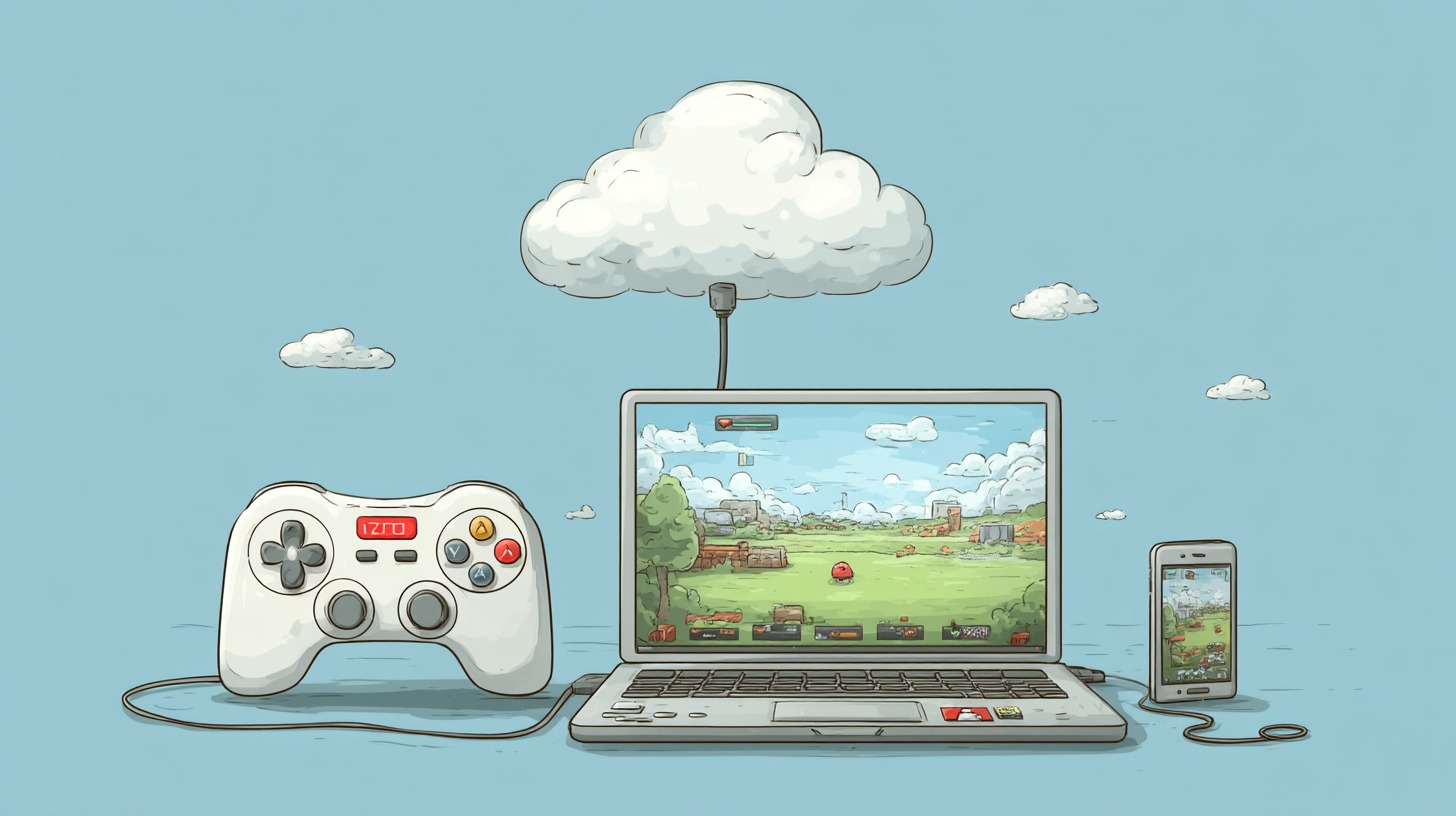
Cloud gaming platforms are services that stream video games to users. Instead of running on a local console or PC, games are processed on remote servers, making high-end gaming accessible to a wider audience without powerful hardware.
How cloud gaming works
Cloud gaming relies on high-speed internet and powerful data centers. When you start a game, the platform’s servers process it, sending video and audio to your device. Your inputs (like controller commands) are sent back to the server for real-time interaction. In the end, it’s all about enjoying your favorite games, whether you prefer modern genres or classics, play for fun, or Buy cheats for Escape from Tarkov Arena.
Types of devices supported
Cloud gaming platforms are designed to work across many devices, so you can play on various screens without needing powerful hardware:
- Smartphones and tablets: Ideal for gaming on the go via dedicated apps or browsers.
- Laptops and desktops: Even systems with average specs can run demanding games through cloud streaming.
- Smart TVs: Many Smart TVs have built-in cloud gaming apps, creating a large-screen entertainment hub.
- Streaming devices and gaming consoles: Devices like streaming sticks and consoles expand compatibility, allowing quick access to cloud gaming libraries.
This wide compatibility allows users to enjoy games on whatever device fits their lifestyle.
Key workloads for cloud gaming platforms
Cloud gaming platforms manage several key tasks:
Game streaming
This is the core function, involving the real-time delivery of high-quality video and audio. It requires a robust server infrastructure and low-latency networks for smooth gameplay.
Multiplayer gaming
Platforms must support seamless online interactions like matchmaking, voice chat, and synchronized gameplay, which requires high-speed servers for a lag-free experience.
Game library management
Cloud platforms offer large game libraries. Managing them involves licensing, content updates, and user access controls to provide diverse gaming options.
Cross-platform compatibility
This ensures games work across different devices and operating systems by optimizing for various screen sizes, input methods, and performance levels. It also syncs user progress across devices.
AI and machine learning integration
Many platforms use AI for personalized game recommendations, dynamic difficulty adjustments, and server optimization analytics.
Security and data privacy
Protecting user data, preventing unauthorized access, and ensuring secure payments are crucial for building trust. This is handled with encryption and regular security audits.
Scalability and resource allocation
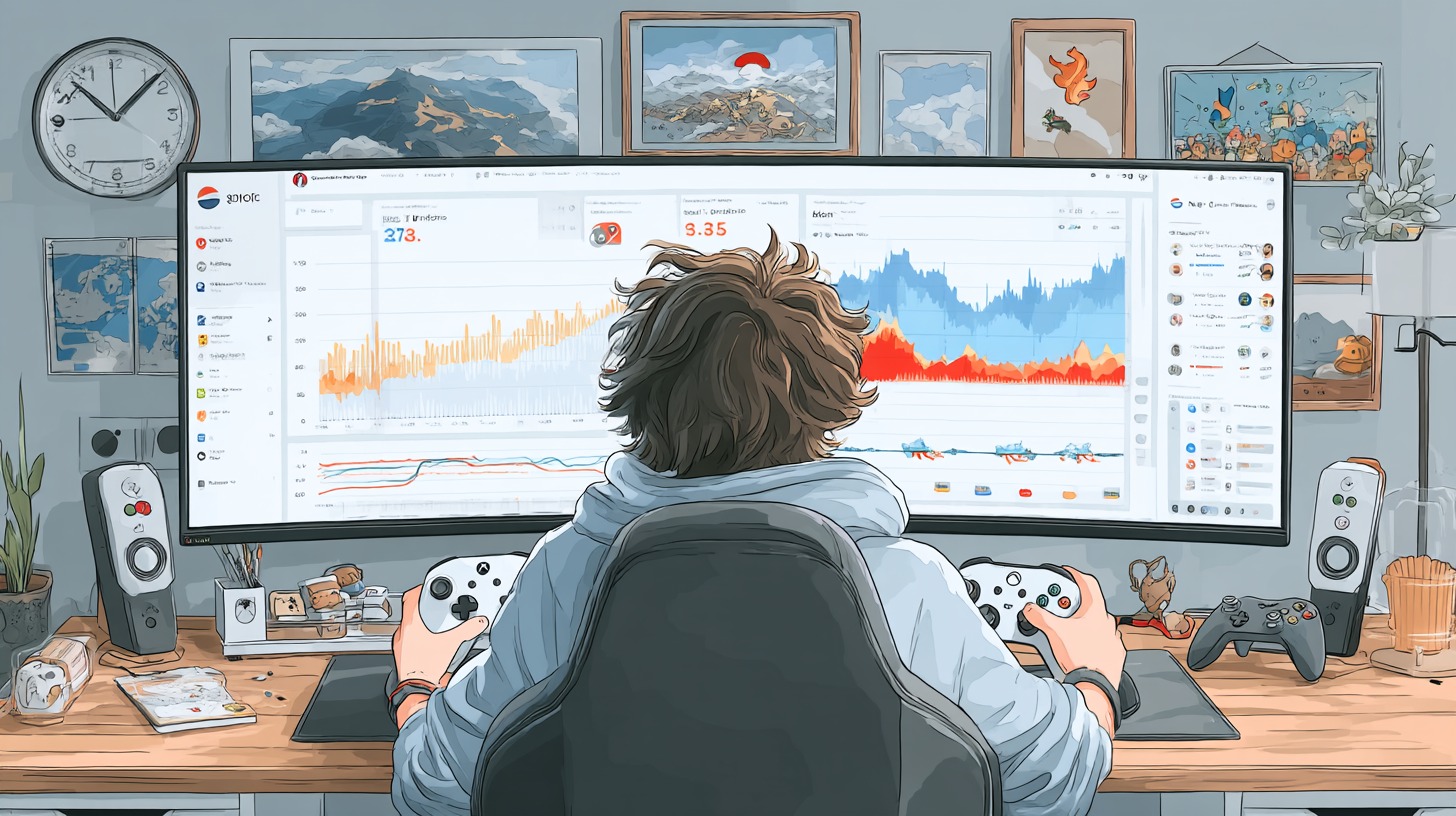
Platforms must dynamically allocate server resources to handle fluctuating user demand without sacrificing performance, using techniques like load balancing and predictive scaling.
Why cloud gaming platforms are gaining popularity
Cloud gaming is becoming more popular for several key reasons:
- Accessibility: It removes the need for expensive hardware.
- Convenience: Users can access games instantly without downloads or installations.
- Cost-efficiency: Subscription models are often cheaper than buying individual games or high-end hardware.
- Innovation: Platforms offer cutting-edge features like AI enhancements and cross-platform play.
- Environmental impact: It can reduce electronic waste by decreasing the need for physical hardware.
Strengths of cloud gaming platforms:
- Accessibility across devices: Play on smartphones, tablets, and smart TVs without being tied to specific hardware.
- No hardware upgrades required: Enjoy the latest games without investing in expensive PCs or consoles.
- Instant game access: Eliminates long downloads and installations, allowing you to play immediately.
- Scalability for developers: Developers can reach a broader audience without worrying about hardware compatibility.
- Reduced maintenance costs: Users don’t need to maintain or upgrade hardware.
- Enhanced multiplayer features: Optimized for online play with built-in matchmaking and voice chat.
- AI-driven enhancements: AI personalizes the gaming experience with tailored recommendations.
Drawbacks of cloud gaming platforms:
- Dependence on internet connectivity: Requires a stable, high-speed connection; poor connectivity causes lag.
- Latency issues: Despite advances, input lag can be an issue, especially in fast-paced games.
- Subscription costs: While often affordable, fees can add up over time.
- Limited game selection: Some platforms may have a restricted game library.
- Data privacy concerns: Storing user data on remote servers raises security and privacy questions.
- Device compatibility challenges: Performance can vary depending on a device’s specs.
- Environmental impact of data centers: The high energy consumption of data centers is a significant environmental concern.